Assessment Task 3
Title: Association/Dissociation Weighting: 30%
Assessment type: Project
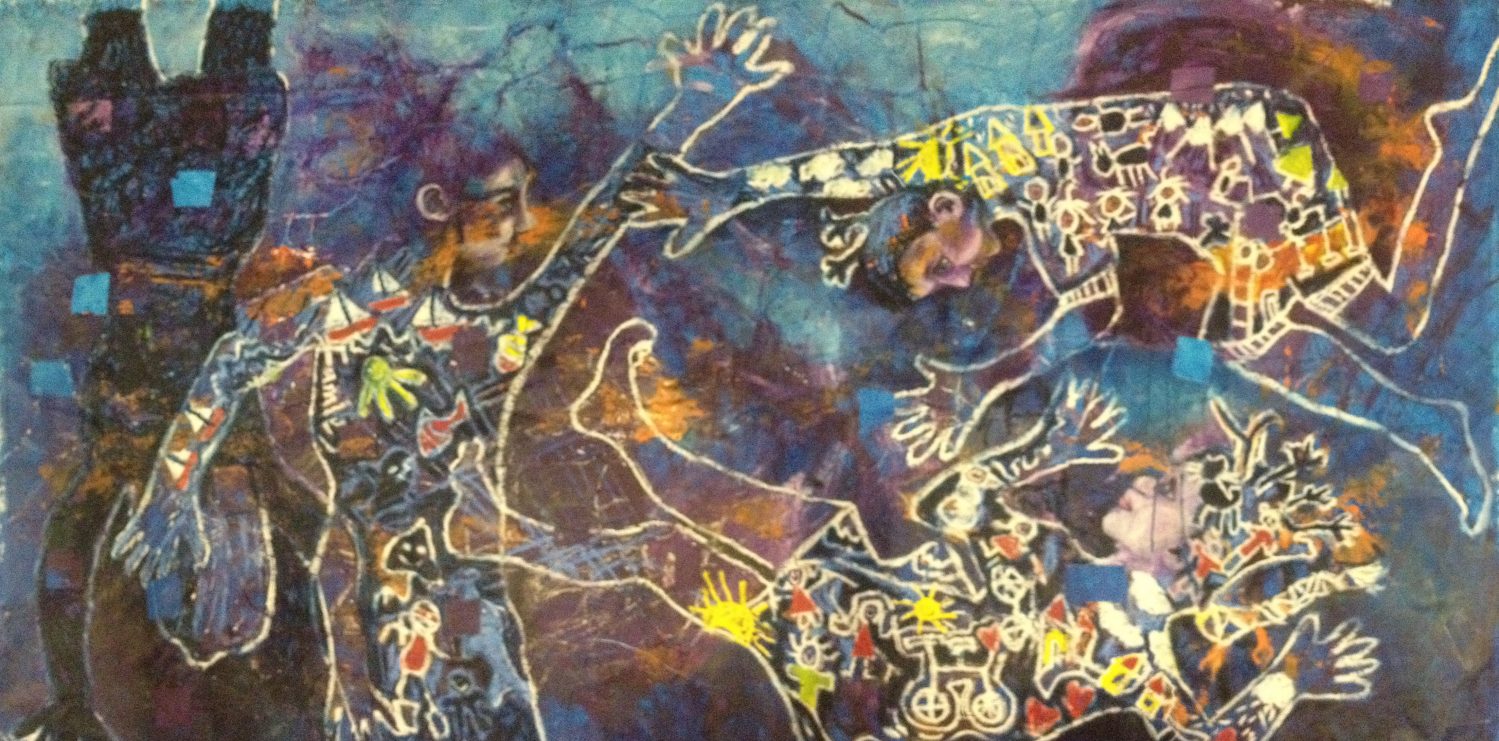
This assessment task has 2 parts that requires you to complete two non- conven-onal ‘portraits’ that explore ideas of ‘associa-on/embodiment’ and ‘dissocia-on/disembodiment’ in rela-on to the body:
Part 1-REAL LIFE
One portrait should be an observa-onal pain-ng from life, i.e. a self- portrait using a mirror, or a painting of a super.
Minimum scale of portrait: 50 x 40cm.
Part 2-MEDIATED BODY
The other portrait should respond to a ‘mediated body’ (a model), e.g. a mannequin, anatomical model, computer-generated model, or a 3D model made from paper, plasticine or cardboard. It is recommended that you work from a printed photograph that you have taken of the model, taking into account considera-ons such as the lighting, angle, backdrop, etc., in order to situate your ‘portrait’ within a meaningful context. Minimum scale of portrait: 50 x 40cm.Each of your two ‘portraits’ should employ a pain-ng process that somehow visualises ‘bodily associa-on’ or ‘dissocia-on’. In the context of portraiture, ‘associa-on’ can be interpreted as the appearance or feeling of ‘inhabi-ng one’s body’ and being connected to its physical and sensory capabili-es. It may also allude to the capacity for ‘embodied experience’, i.e. the body’s ability to be cognizant of space and -me while immersed in an ac-vity. Conversely, ‘dissocia-on’ may refer to disconnection from the body, or distor-ons in bodily percep-on. Dissocia-on or disembodiment may also suggest exis-ng without the body, i.e. its metaphysical quali-es, or an idealised, virtual or immaterial body. How do bodies become modified and (re)constructed through diverse imaging processes and what can this say about contemporary percep-ons of the body?
References for Assessment Task 3:
Body of Art, (2015) Diane Fortenberry & Rebecca Morrill (eds.) Phaidon Press, London, New York.
Associa-on and dissocia-on are terms that imply the rela-onship of body to mind, often contextualised as a duality, and arguably one of the most enduring conundrums of philosophy and psychology throughout the 20th Century until today.
“Every experience is perceived to happen at some point along a continuum of association or dissociation. Association is when the experience is felt to be part of you, or that you are part of the experience. You seem to be identified with the experience or connected somehow with it. Dissociation is when you feel you are watching, listening to or observing an event from the outside.”
Think of the terms associa-on and dissocia-on as they are used in psychology. Associa-on refers to “a connec-on between conceptual en–es or mental states that results from the similarity between those states or their proximity in space or -me”. In the process of pain-ng oneself, this may suggest that you are observing something you already know well and you can freely associate with your ‘sense of self’ in the act.
The term dissocia-on describes a range of experiences from mild detachment from immediate surroundings to more severe detachment from physical and emo-onal experience. This may play out in the process of a self-portrait as distor-on, fic-onalisa-on or ‘amnesia’.
How can pain-ng processes and aesthe-c considera-ons such as scale, format and support contribute to a sense of associa-on or disassociation in portraiture?
 Red Beetle Design